How Car Technology Is Making Driving Safer Than Ever
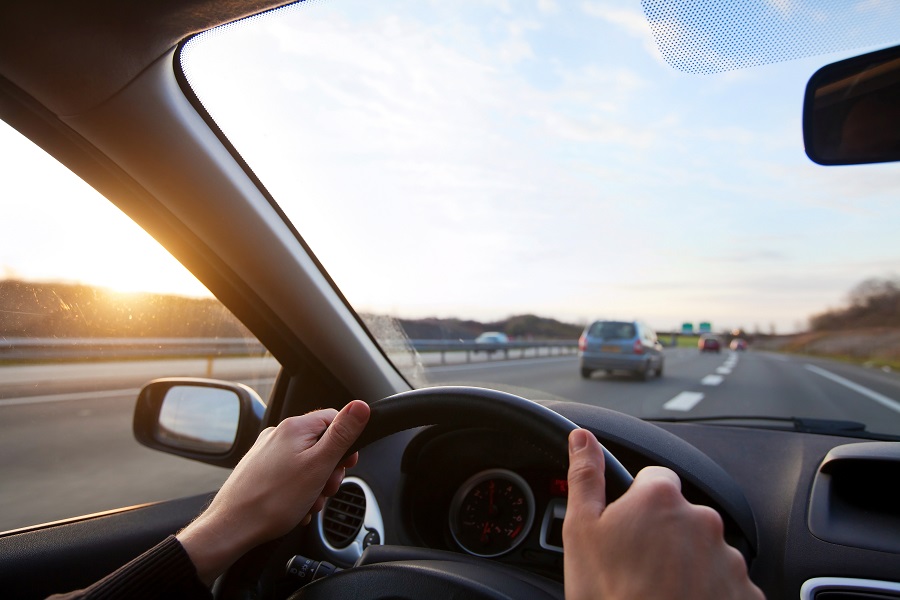
Modern vehicles are no longer just machines that move from one place to another—they are intelligent systems designed to anticipate, prevent, and reduce accidents. With rapid advancements in automotive technology, driving today is significantly safer than it was even a decade ago. From real-time sensors to AI-powered assistance, cars are actively helping drivers make better decisions on the road.
The Evolution of Vehicle Safety
In the past, safety features were mostly reactive, meaning they helped reduce injury after a crash occurred. Examples include seat belts and airbags. Today, the focus has shifted toward preventing accidents altogether.
Modern cars combine hardware (sensors, cameras, radars) with software (AI algorithms) to create systems that constantly monitor surroundings and driver behavior.
Advanced Driver Assistance Systems (ADAS)
One of the most significant breakthroughs in automotive safety is the introduction of Advanced Driver Assistance Systems (ADAS). These systems act like a co-pilot, assisting the driver in real time.
Key Features of ADAS
- Automatic Emergency Braking (AEB)
Detects potential collisions and applies brakes automatically if the driver fails to react. - Lane Keeping Assist (LKA)
Helps the vehicle stay within lane markings by gently steering it back when drifting. - Adaptive Cruise Control (ACC)
Maintains a safe distance from the vehicle ahead by adjusting speed automatically. - Traffic Sign Recognition
Reads road signs and alerts drivers about speed limits and warnings.
These technologies significantly reduce human error, which is responsible for the majority of road accidents.
Blind Spot Detection and Monitoring
Changing lanes has always been risky due to limited visibility. Modern cars now come equipped with blind spot monitoring systems that use sensors to detect vehicles in hard-to-see areas.
Benefits
- Alerts drivers through visual or audio signals
- Reduces side collisions
- Enhances confidence while overtaking or merging
Driver Monitoring Systems
Fatigue and distraction are major causes of accidents. New cars now include driver monitoring systems that track eye movement, head position, and driving patterns.
What These Systems Do
- Detect drowsiness and suggest breaks
- Warn against distracted driving (like phone usage)
- Provide real-time alerts for unsafe behavior
This technology ensures that the driver remains alert and focused at all times.
Smart Lighting and Night Vision
Driving at night or in poor visibility conditions can be dangerous. Modern vehicles use adaptive lighting systems and even night vision technology to improve visibility.
Key Innovations
- Adaptive headlights that turn with the steering wheel
- Automatic high beams that adjust based on oncoming traffic
- Infrared night vision cameras to detect pedestrians or animals
These features allow drivers to see hazards earlier and react faster.
Vehicle-to-Everything (V2X) Communication
A major leap forward in safety is Vehicle-to-Everything (V2X) technology. It enables cars to communicate with:
- Other vehicles (V2V)
- Traffic infrastructure (V2I)
- Pedestrians and devices (V2P)
Why It Matters
- Warns about upcoming hazards beyond line of sight
- Alerts drivers to sudden braking ahead
- Improves traffic flow and reduces congestion-related accidents
Autonomous Emergency Features
Modern cars are increasingly capable of taking control in critical situations.
Examples
- Emergency steering assist to avoid collisions
- Automatic parking systems to prevent low-speed accidents
- Crash detection and emergency calling (eCall) to notify authorities instantly
These features provide an extra layer of protection when human reaction time isn’t enough.
Improved Structural Safety
Beyond electronics, car design itself has evolved to enhance safety.
Structural Enhancements
- Stronger materials like high-strength steel and aluminum
- Crumple zones that absorb impact energy
- Reinforced passenger cabins for maximum protection
These improvements ensure that even if a crash occurs, the risk of serious injury is minimized.
The Role of Artificial Intelligence
Artificial Intelligence (AI) is becoming the backbone of modern car safety systems.
How AI Helps
- Processes massive data from sensors in real time
- Predicts potential hazards before they occur
- Continuously learns and improves system accuracy
AI enables vehicles to make split-second decisions that can save lives.
Conclusion
Car technology has transformed driving from a purely human-controlled activity into a collaborative effort between driver and machine. With features like ADAS, AI-powered monitoring, and connected systems, vehicles are now actively working to prevent accidents rather than just reacting to them.
As innovation continues, the future of driving promises even greater safety—bringing us closer to roads where accidents are rare and preventable.
FAQs
1. What is the most important safety feature in modern cars?
Advanced Driver Assistance Systems (ADAS), especially automatic emergency braking, are considered among the most impactful safety features today.
2. Do safety technologies completely eliminate accidents?
No, but they significantly reduce the likelihood and severity of accidents by assisting drivers and correcting errors.
3. Are these safety features available in all cars?
Many features are now standard in mid-range and premium vehicles, but availability varies by model and manufacturer.
4. Can driver assistance systems replace human drivers?
Not entirely. Most systems are designed to assist, not replace, human drivers—though autonomous driving is evolving.
5. How does blind spot monitoring work?
It uses sensors to detect vehicles in areas not visible in mirrors and alerts the driver through signals.
6. Is AI in cars safe and reliable?
Yes, AI systems are extensively tested and continuously improved, making them increasingly reliable.
7. What is V2X communication in simple terms?
It allows cars to “talk” to each other and their surroundings to warn about dangers and improve safety.