How to Extend the Lifespan of Your Vehicle
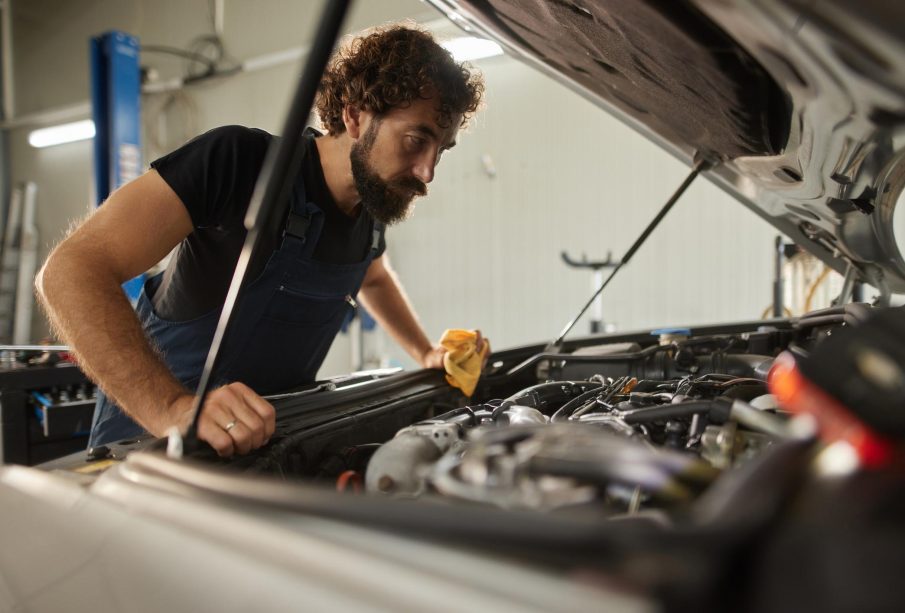
Owning a vehicle is a long-term investment, and how you care for it directly affects how long it will serve you. While modern cars are built to last, neglect and poor maintenance can significantly shorten their lifespan. With consistent care and a few smart habits, you can keep your vehicle running smoothly for years beyond its expected life.
Follow a Regular Maintenance Schedule
Routine maintenance is the backbone of vehicle longevity. Manufacturers provide service schedules for a reason—they are designed to keep every component functioning properly.
Essential Maintenance Tasks
- Engine oil changes at recommended intervals
- Air filter replacement to maintain engine efficiency
- Brake inspection to ensure safety and performance
- Fluid checks (coolant, transmission, brake fluid)
Skipping these basics can lead to premature wear and costly repairs.
Drive Smoothly and Responsibly
The way you drive has a major impact on your car’s health. Aggressive driving puts unnecessary stress on the engine, transmission, and brakes.
Smart Driving Habits
- Avoid rapid acceleration and sudden braking
- Maintain steady speeds whenever possible
- Reduce unnecessary idling
- Shift gears properly (for manual cars)
A calm driving style not only improves fuel efficiency but also reduces wear and tear.
Keep Your Engine Healthy
The engine is the heart of your vehicle, and keeping it in good condition is crucial.
Tips for Engine Care
- Use high-quality fuel and engine oil
- Address warning lights immediately
- Avoid driving with an overheating engine
- Warm up the car briefly before driving in cold conditions
Ignoring minor engine issues can lead to major breakdowns over time.
Maintain Proper Tire Care
Tires play a key role in both safety and longevity. Poor tire maintenance can affect suspension, fuel efficiency, and overall driving comfort.
Tire Maintenance Checklist
- Check tire pressure regularly
- Rotate tires every 8,000–10,000 km
- Ensure proper wheel alignment and balancing
- Replace worn-out tires promptly
Properly maintained tires reduce strain on other vehicle components.
Protect the Exterior and Interior
A vehicle’s lifespan isn’t just about mechanics—appearance and structural integrity matter too.
Exterior Protection
- Wash your car regularly to remove dirt and salt
- Apply wax to protect paint from UV damage
- Park in shaded or covered areas
Interior Care
- Clean and condition seats and dashboard
- Avoid prolonged exposure to direct sunlight
- Use floor mats to prevent wear
These practices help preserve the car’s value and prevent long-term damage.
Pay Attention to Warning Signs
Your car often gives early signs when something is wrong. Ignoring them can turn small issues into expensive repairs.
Common Warning Signs
- Unusual noises (knocking, squealing)
- Vibrations while driving
- Decreased fuel efficiency
- Warning lights on the dashboard
Prompt action can prevent further damage and extend the vehicle’s life.
Use Quality Parts and Professional Service
When repairs are needed, cutting corners can cost more in the long run.
Best Practices
- Choose genuine or high-quality replacement parts
- Rely on experienced mechanics for major repairs
- Keep service records for future reference
Quality repairs ensure your vehicle continues to perform reliably.
Keep Your Battery in Good Condition
A weak battery can lead to starting problems and affect other electrical systems.
Battery Care Tips
- Clean terminals regularly
- Avoid leaving lights or electronics on when the engine is off
- Replace the battery as recommended
Proper battery maintenance prevents unexpected breakdowns.
Conclusion
Extending the lifespan of your vehicle doesn’t require complex techniques—just consistent care and mindful usage. By following a regular maintenance schedule, driving responsibly, and addressing issues early, you can significantly increase your car’s durability and reliability.
A well-maintained vehicle not only saves money on repairs but also ensures a safer and more enjoyable driving experience.
FAQs
1. How often should I service my car to increase its lifespan?
Most vehicles should be serviced every 5,000 to 10,000 km, depending on the manufacturer’s recommendations and driving conditions.
2. Does driving short distances frequently harm the car?
Yes, frequent short trips can prevent the engine from reaching optimal temperature, leading to increased wear over time.
3. Is it necessary to warm up the engine before driving?
In modern cars, a short warm-up of 30 seconds is usually sufficient, especially in cold weather.
4. Can poor fuel quality affect vehicle lifespan?
Yes, low-quality fuel can cause engine deposits and reduce efficiency, leading to long-term damage.
5. How do I know if my tires need replacement?
Look for worn tread, cracks, or reduced grip—these are clear signs that tires should be replaced.
6. Does keeping a full fuel tank help?
Maintaining at least a quarter tank can help prevent fuel system issues and reduce condensation inside the tank.
7. Are regular car washes really important?
Yes, washing removes dirt, salt, and contaminants that can cause rust and damage the paint over time.