
The Impact of Technology on Classroom Learning
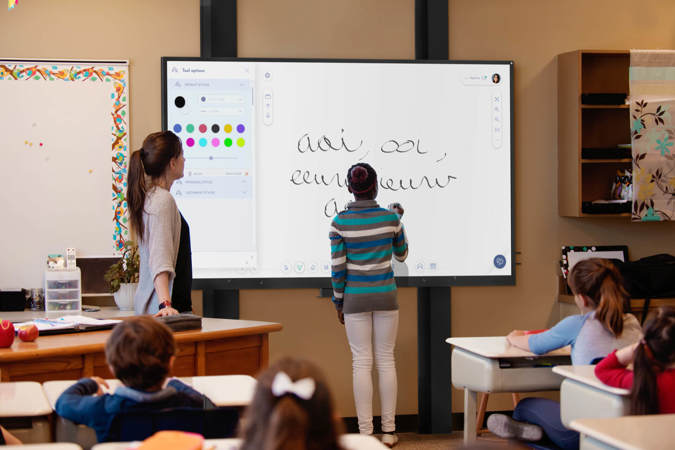
Technology has reshaped nearly every aspect of daily life, and education is no exception. Classrooms today are evolving into dynamic, interactive environments where digital tools enhance how students learn and teachers instruct. The integration of technology has not only improved access to information but also transformed the entire learning experience.
The Shift from Traditional to Digital Learning
Traditional classrooms relied heavily on textbooks, lectures, and written assignments. While effective to some extent, these methods often limited interaction and personalization.
With technology, classrooms now incorporate:
- Smart boards and digital displays
- Online learning platforms
- Multimedia content such as videos and simulations
- Cloud-based resources for collaboration
This shift has made learning more engaging and accessible.
Enhanced Student Engagement
One of the most noticeable impacts of technology is increased student engagement. Interactive tools capture attention and make lessons more interesting.
How Technology Improves Engagement
- Visual content helps simplify complex concepts
- Interactive quizzes and apps encourage participation
- Gamified elements make learning enjoyable
- Real-time feedback keeps students involved
Students are more likely to stay focused when learning feels interactive rather than passive.
Access to Unlimited Learning Resources
Technology has removed the limitations of physical resources.
Benefits of Digital Access
- Instant access to online libraries and research materials
- Availability of educational videos and tutorials
- Exposure to global knowledge and perspectives
- Ability to learn beyond classroom boundaries
This ensures that students are not restricted to a single source of information.
Personalized Learning Experiences
Every student learns differently, and technology allows education to adapt to individual needs.
Key Advantages
- Self-paced learning modules
- Adaptive software that adjusts difficulty levels
- Personalized feedback and progress tracking
- Support for different learning styles (visual, auditory, kinesthetic)
This approach helps students understand concepts more effectively.
Improved Collaboration and Communication
Technology has made it easier for students and teachers to connect and collaborate.
Collaborative Tools
- Online discussion forums
- Shared documents and group projects
- Virtual classrooms and video conferencing
- Messaging platforms for instant communication
These tools encourage teamwork and improve communication skills.
Teacher Efficiency and Innovation
Technology does not just benefit students—it also enhances teaching methods.
How Teachers Benefit
- Easier lesson planning with digital resources
- Automated grading and assessments
- Better tracking of student performance
- Opportunities to use creative teaching strategies
Teachers can focus more on guiding students rather than managing administrative tasks.
Development of Digital Skills
In a technology-driven world, digital literacy is essential. Classroom technology helps students develop skills that are crucial for future careers.
Important Skills Gained
- Basic and advanced computer skills
- Online research and information evaluation
- Digital communication and collaboration
- Familiarity with modern tools and platforms
These skills prepare students for real-world challenges.
Challenges of Technology in Classrooms
Despite its benefits, technology also presents certain challenges.
Common Issues
- Distractions from non-educational content
- Dependence on devices and internet access
- Digital divide between students with and without access
- Need for teacher training and adaptation
Addressing these challenges is essential for effective implementation.
The Future of Technology in Education
The role of technology in education will continue to expand. Emerging innovations are set to make learning even more immersive and efficient.
Future Trends
- Artificial Intelligence for personalized learning
- Virtual and Augmented Reality experiences
- Data-driven insights for performance improvement
- Hybrid and remote learning models
These advancements will further redefine how education is delivered.
Conclusion
Technology has transformed classroom learning into a more interactive, accessible, and personalized experience. While challenges remain, the benefits far outweigh the drawbacks when implemented thoughtfully.
As education continues to evolve, technology will remain a key driver in shaping smarter, more engaging learning environments.
FAQs
1. How does technology improve learning outcomes?
It enhances engagement, provides instant feedback, and allows personalized learning, all of which contribute to better understanding.
2. Can technology replace teachers in classrooms?
No, technology supports teachers but cannot replace the human guidance and interaction they provide.
3. What are the risks of using technology in education?
Distractions, over-reliance, and unequal access are some of the main risks.
4. Is online learning as effective as classroom learning?
It can be effective when designed properly, especially with interactive and structured content.
5. How can schools manage technology-related distractions?
By setting clear rules, using monitoring tools, and focusing on structured digital activities.
6. What role does the internet play in education?
It provides access to vast resources, enables communication, and supports online learning platforms.
7. Are digital skills important for students today?
Yes, digital skills are essential for academic success and future career opportunities.


