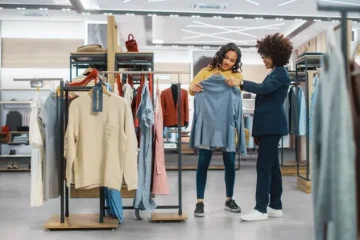
Safety Tips for Going Shopping With the Elderly

For many older adults, heading out to the store isn’t just about picking up groceries—it’s a mini adventure, a break from routine, and a treasure trove of people-watching. But let’s be honest, even a simple outing requires a bit more thought when mobility, vision, or memory isn’t quite what it used to be.
If you’re shopping with an elderly loved one, a little planning and extra care can turn a stressful task into a safe, even enjoyable experience. Here’s how to help them stay comfortable, confident, and protected—without taking away the fun.
Prepare Before You Go
Safety starts before you even leave the house. Make a list of what you need so you’re less likely to wander aimlessly (the longer you’re there, the more tired everyone will be). Pack any essentials—glasses, hearing aids, a bottle of water, snacks, and jacket—in an easy-to-reach tote. If your loved one has specific medical needs or is prone to fatigue, consider a store with benches or make sure you can break the trip into smaller sections. Try shopping during off-peak hours to avoid crowds and make moving around much easier.
Make Mobility a Priority
For those who use walkers, canes, or wheelchairs, the path from the parking lot to the produce aisle can be full of bumps. Park close to the entrance, look for ramps, and keep an eye out for any uneven pavement or slippery floors inside. Many big stores now offer motorized carts or have staff who can help with heavy lifting—don’t be shy about using these options. Falls are one of the top causes of injury in older adults, so keep a steady arm ready and make sure comfortable, grippy shoes are part of the outing uniform.
Keep Communication Open
Trips to the store can be overwhelming—a noisy speaker system, crowds, and aisles that never look the same as last week. Check in regularly. “How are you feeling? Want to rest for a minute?” Encourage your loved one to speak up if they feel tired, dizzy, or anxious. Have a plan if you get separated; set a meeting point near the entrance or buy an extra phone in case your family member doesn’t usually bring one. You can also use ID bracelets or cards with basic info, just in case of confusion.
Don’t Forget General Hygiene
If your loved one is immune-compromised, be extra mindful of germy surfaces and crowds. Bring hand sanitizer, remind them not to touch their face, and keep masks handy if that’s still encouraged in your area. Wipe down cart handles or use store-provided wipes. These tiny steps make a big difference in reducing infection risk.
Consider the Benefits of Companionship
Shopping together isn’t just practical—it’s a chance to chat, reminisce, and share a bit of independence with your loved one. For those living in a senior living facility where outings might not be as common, these adventures offer connection and a sense of normalcy. Always celebrate the little victories—a smooth trip, a new favorite snack, or even just laughing over the loud store music.
With a little foresight and a lot of patience, you can help make every shopping trip a safe, easy experience—one that keeps joy and dignity right at the center of the cart.