Tips for Creating a Relaxing Living Space
Your living space has a powerful influence on how you feel every day. A well-designed environment can help reduce stress, improve mood, and create a sense of calm. By making thoughtful changes to your surroundings, you can transform your home into a place that promotes relaxation and comfort.
Choose a Calming Color Palette
Colors play a significant role in shaping the atmosphere of a room. Soft, neutral tones tend to create a more peaceful environment.
Recommended Colors
- Light beige and cream for warmth
- Soft blues and greens for a calming effect
- Muted greys and pastels for a balanced look
Avoid overly bright or harsh colors, as they can feel overwhelming.
Declutter and Simplify
A cluttered space often leads to a cluttered mind. Keeping your environment organized helps create a sense of order and calm.
Decluttering Tips
- Remove items you no longer use
- Keep surfaces clean and minimal
- Use storage solutions to stay organized
- Adopt a “less is more” approach
A tidy space allows you to relax without distractions.
Use Soft and Comfortable Textures
Comfort is key to relaxation. Incorporating soft materials can make your space feel inviting.
Texture Ideas
- Plush cushions and throws
- Soft rugs underfoot
- Cozy upholstery fabrics
- Light, breathable curtains
Layering textures adds warmth and comfort to your home.
Optimize Lighting
Lighting has a direct impact on mood and ambiance.
Lighting Tips
- Use warm, soft lighting instead of harsh white lights
- Add lamps and dimmers for adjustable brightness
- Maximize natural light during the day
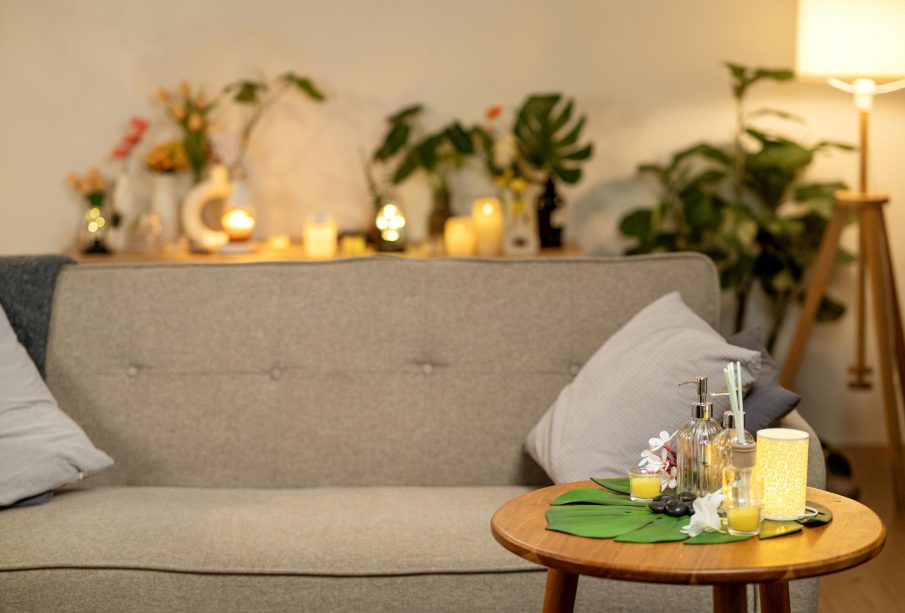
- Incorporate candles for a calming effect
Balanced lighting creates a soothing and welcoming atmosphere.
Bring Nature Indoors
Natural elements can significantly enhance relaxation.
Ways to Add Nature
- Indoor plants for freshness and improved air quality
- Natural materials like wood and stone
- Fresh flowers for color and fragrance
Even small touches of greenery can make a big difference.
Create a Dedicated Relaxation Zone
Having a specific area for relaxation can help your mind associate that space with calmness.
Ideas for a Relaxation Corner
- A comfortable chair or reading nook
- A quiet space for meditation or reflection
- A spot with minimal distractions
This dedicated area becomes your personal retreat within your home.
Incorporate Soothing Scents
Aromas can influence emotions and help reduce stress.
Popular Relaxing Scents
- Lavender for calming effects
- Vanilla for warmth and comfort
- Citrus for freshness and energy
Using candles, diffusers, or essential oils can enhance the atmosphere.
Limit Noise and Distractions
A peaceful environment requires control over noise and interruptions.
How to Reduce Noise
- Use rugs and curtains to absorb sound
- Keep electronic devices to a minimum
- Play soft background music if desired
Reducing noise helps create a more tranquil space.
Personalize Your Space Thoughtfully
Adding personal touches makes your home feel more meaningful and comforting.
Personalization Ideas
- Display meaningful artwork or photographs
- Include items that bring positive memories
- Avoid overcrowding with too many decorations
Balance is key—personal but not overwhelming.
Maintain Cleanliness and Freshness
A clean space contributes to a calm and healthy environment.
Simple Practices
- Regular cleaning and dusting
- Proper ventilation for fresh air
- Keeping fabrics and surfaces hygienic
Cleanliness enhances both physical comfort and mental clarity.
Conclusion
Creating a relaxing living space is about combining comfort, simplicity, and thoughtful design. From calming colors and soft textures to natural elements and organized surroundings, each detail contributes to a peaceful atmosphere.
By making small, intentional changes, you can turn your home into a sanctuary where you can unwind and recharge every day.
FAQs
1. What is the most important factor in creating a relaxing space?
A combination of decluttering, calming colors, and comfortable elements plays the biggest role.
2. Can small spaces be made relaxing?
Yes, even small spaces can feel calm with proper organization and minimal design.
3. How do indoor plants help with relaxation?
They improve air quality and create a connection to nature, which can reduce stress.
4. Is lighting really that important for relaxation?
Yes, soft and warm lighting significantly influences mood and comfort.
5. How can I make my space relaxing on a budget?
Focus on decluttering, rearranging furniture, and adding affordable elements like cushions or plants.
6. Should I avoid technology in a relaxing space?
Limiting technology can help reduce distractions and improve relaxation.
7. How often should I update or refresh my living space?
Small updates every few months can help maintain a fresh and calming environment.