The Benefits of Energy-Efficient Homes
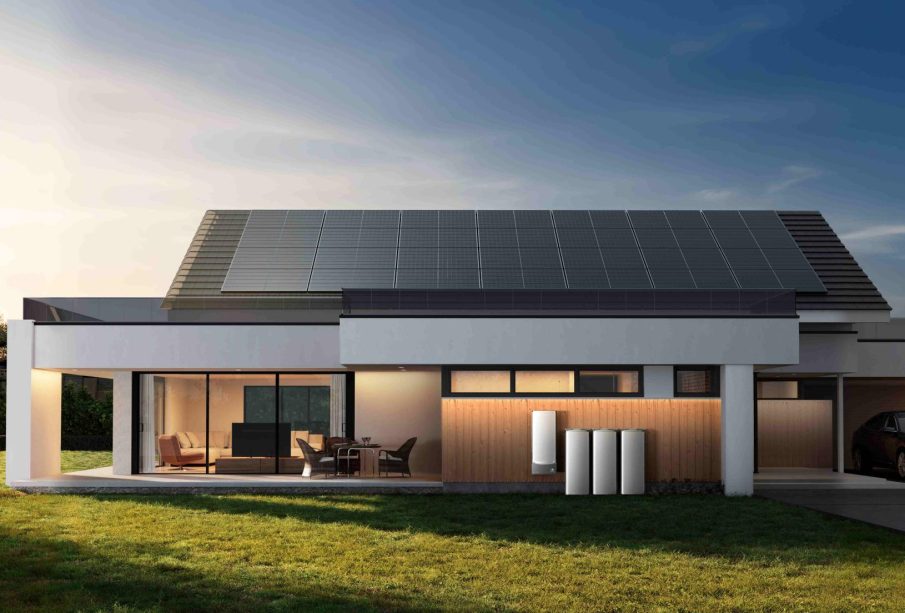
Energy-efficient homes are designed to reduce energy consumption while maintaining comfort and functionality. With rising energy costs and growing environmental concerns, homeowners are increasingly turning to efficient designs and technologies to create sustainable living spaces. These homes not only lower utility bills but also contribute to a healthier environment.
What Is an Energy-Efficient Home?
An energy-efficient home uses less energy to perform the same tasks as a standard home. This is achieved through smart design, better materials, and modern technologies.
Key Features
- Proper insulation and sealing
- Energy-efficient windows and doors
- High-performance appliances
- Smart heating and cooling systems
- Use of renewable energy sources
These elements work together to minimize energy waste.
Lower Energy Bills
One of the most immediate benefits of an energy-efficient home is reduced utility costs.
How It Saves Money
- Less electricity usage due to efficient appliances
- Reduced heating and cooling expenses
- Lower water heating costs
Over time, these savings can be substantial, making energy efficiency a smart financial investment.
Environmental Benefits
Energy-efficient homes play a vital role in protecting the environment.
Positive Impact
- Reduced greenhouse gas emissions
- Lower carbon footprint
- Decreased reliance on fossil fuels
- Conservation of natural resources
By using less energy, these homes help combat climate change and promote sustainability.
Improved Comfort and Living Conditions
Efficiency improvements often lead to better indoor comfort.
Comfort Enhancements
- Consistent indoor temperatures
- Better air quality
- Reduced noise levels
- Improved ventilation
A well-designed home creates a healthier and more pleasant living environment.
Increased Property Value
Energy-efficient homes are becoming more attractive to buyers.
Why They Stand Out
- Lower operating costs appeal to potential buyers
- Modern features add to property appeal
- Compliance with future energy standards
Homes with energy-efficient upgrades often have higher resale value.
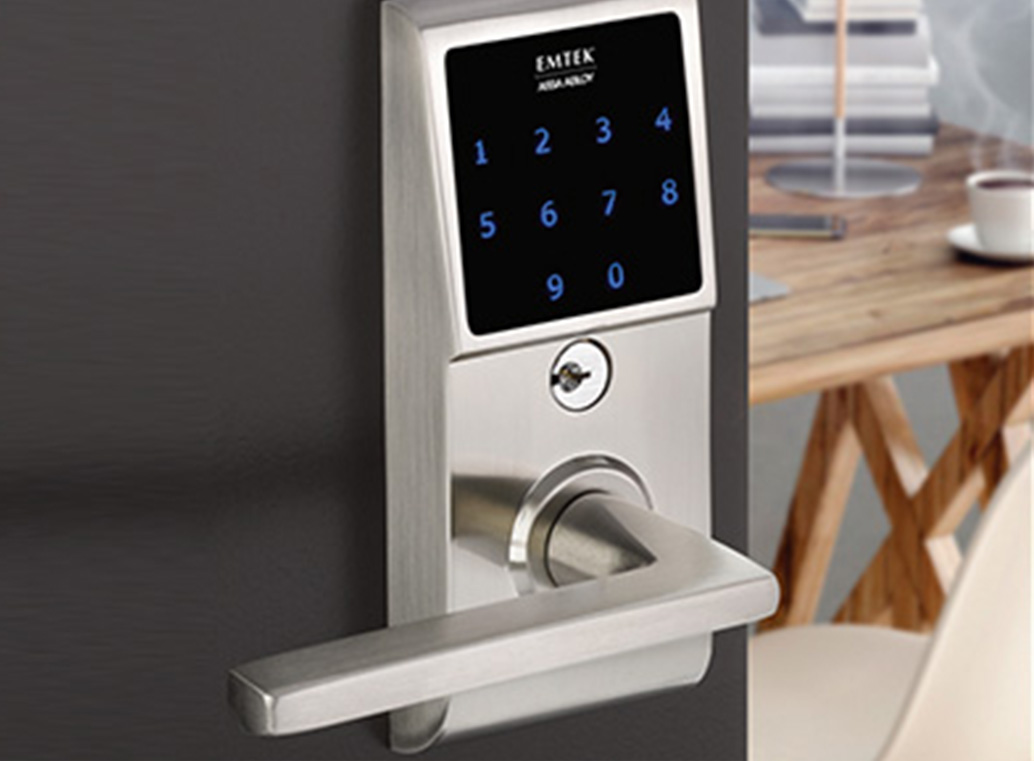
Better Use of Smart Technology
Modern energy-efficient homes often incorporate smart systems for improved control.
Smart Features
- Programmable thermostats
- Energy monitoring systems
- Automated lighting controls
- Smart appliances
These technologies allow homeowners to optimize energy use effortlessly.
Reduced Maintenance Costs
Efficient homes often use durable materials and advanced systems, which can lower maintenance needs.
Benefits
- Longer lifespan of appliances
- Fewer repairs due to optimized performance
- Reduced wear and tear on systems
This leads to additional savings over time.
Government Incentives and Rebates
Many governments encourage energy efficiency through financial incentives.
Possible Benefits
- Tax credits for energy-efficient upgrades
- Subsidies for solar panel installation
- Rebates on efficient appliances
These incentives make it easier and more affordable to adopt energy-saving solutions.
Contribution to Sustainable Living
Energy-efficient homes support a broader shift toward sustainable living.
Sustainable Practices
- Use of renewable energy like solar power
- Rainwater harvesting systems
- Eco-friendly construction materials
- Reduced waste generation
These practices help create a more responsible and future-ready lifestyle.
Conclusion
Energy-efficient homes offer a wide range of benefits—from lower energy bills and improved comfort to environmental protection and increased property value. As technology advances and awareness grows, energy efficiency is becoming a standard rather than an option.
Investing in an energy-efficient home is not just a smart financial decision—it’s a step toward a more sustainable and comfortable future.
FAQs
1. Are energy-efficient homes expensive to build?
Initial costs may be higher, but long-term savings on energy bills often offset the investment.
2. What is the most important feature of an energy-efficient home?
Proper insulation is one of the most critical factors in reducing energy loss.
3. Can older homes be made energy-efficient?
Yes, upgrades like better insulation, efficient appliances, and smart systems can improve efficiency.
4. Do energy-efficient homes require special maintenance?
Not necessarily, and in many cases, they require less maintenance due to advanced systems.
5. How do solar panels contribute to energy efficiency?
They generate renewable energy, reducing dependence on external electricity sources.
6. Are energy-efficient appliances worth it?
Yes, they use less energy and reduce utility costs over time.
7. How can I start making my home more energy-efficient?
Begin with simple steps like switching to LED lighting, sealing leaks, and upgrading insulation.