How Inflation Impacts Your Personal Finances
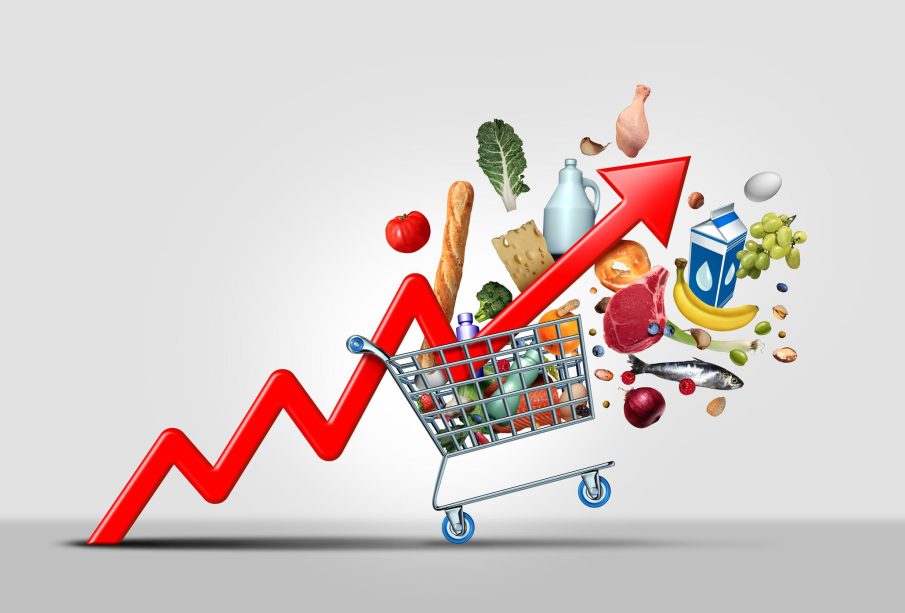
Inflation is a common economic phenomenon, but its effects are deeply personal. It represents the gradual increase in prices of goods and services over time, which reduces the purchasing power of money. Even when income remains the same, inflation can quietly erode financial stability if not managed carefully.
What Is Inflation in Simple Terms?
Inflation means that over time, the same amount of money buys fewer goods and services. For example, what ₹1,000 could buy a few years ago may cost significantly more today.
Key Causes of Inflation
- Increased demand for goods and services
- Rising production and transportation costs
- Expansion of money supply
- Global economic factors
Understanding these causes helps explain why prices fluctuate.
Reduced Purchasing Power
One of the most direct impacts of inflation is the decline in purchasing power.
What This Means for You
- Everyday expenses like groceries, fuel, and utilities become more expensive
- Fixed incomes stretch less over time
- Lifestyle adjustments may be required
Even small increases in prices can add up significantly over months and years.
Impact on Savings
Inflation can reduce the real value of your savings if they are not growing at the same pace.
How It Affects Savings
- Money kept in low-interest accounts loses value over time
- The real return on savings decreases
- Long-term financial goals may become harder to achieve
To protect savings, it’s important to consider investment options that outpace inflation.
Rising Cost of Living
As inflation rises, the overall cost of living increases.
Common Areas Affected
- Food and groceries
- Housing and rent
- Transportation and fuel
- Healthcare and education
This can put pressure on household budgets and reduce disposable income.
Effect on Income and Wages
Inflation does not always align with income growth.
Possible Outcomes
- Salaries may not increase at the same rate as expenses
- Real income (purchasing power of earnings) may decline
- Negotiating salary adjustments becomes more important
When income lags behind inflation, financial strain becomes more noticeable.
Impact on Loans and Debt
Inflation can have both positive and negative effects on borrowing.
How It Works
- Fixed-rate loans become easier to repay in real terms
- Variable interest rates may increase borrowing costs
- Credit card interest becomes more expensive
Borrowers need to understand how inflation affects their specific type of debt.
Investment Considerations
Inflation influences how investments perform and what strategies are effective.
Smart Investment Approaches
- Invest in assets that historically outpace inflation (e.g., equities)
- Diversify investments to manage risk
- Consider inflation-protected instruments
Proper investment planning helps preserve and grow wealth despite rising prices.
Budgeting Becomes More Important
Inflation makes financial planning more critical than ever.
Practical Budgeting Tips
- Track monthly expenses carefully
- Prioritize essential spending
- Reduce unnecessary costs
- Adjust budgets regularly based on price changes
A flexible budget helps you stay in control even as expenses rise.
Long-Term Financial Planning
Inflation has a compounding effect over time, making long-term planning essential.
Key Strategies
- Plan for higher future costs in retirement
- Increase savings contributions gradually
- Review financial goals periodically
Factoring inflation into planning ensures that future needs are adequately covered.
Conclusion
Inflation is an unavoidable part of the economy, but its impact on personal finances can be managed with awareness and planning. From reduced purchasing power to rising living costs, its effects are wide-ranging.
By adapting your budgeting, saving, and investment strategies, you can protect your financial well-being and maintain stability even in an inflationary environment.
FAQs
1. Is inflation always bad for personal finances?
Not always. Moderate inflation is normal, but high inflation can significantly reduce purchasing power.
2. How can I protect my money from inflation?
Investing in assets that grow faster than inflation and avoiding idle cash can help preserve value.
3. Does inflation affect everyone equally?
No, it impacts individuals differently depending on income, spending habits, and financial planning.
4. Why do fixed deposits lose value during inflation?
Because their interest rates may not keep up with rising prices, reducing real returns.
5. Can inflation impact retirement plans?
Yes, it can increase future living costs, requiring larger savings to maintain the same lifestyle.
6. How often should I adjust my budget during inflation?
It’s advisable to review your budget every few months or whenever there is a noticeable change in expenses.
7. Does inflation affect rural and urban households differently?
Yes, depending on spending patterns and access to resources, the impact can vary significantly.