Pregnancy-Safe BodyPump: Guidelines and Modifications for Expectant Mothers in Singapore
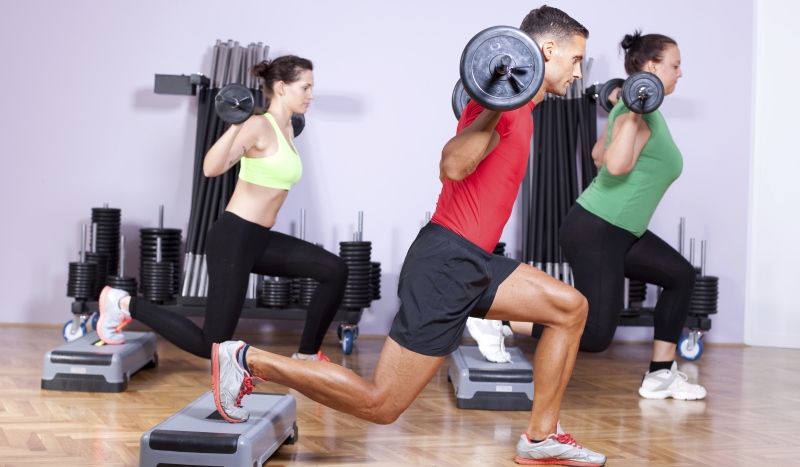
Pregnancy often raises many questions about safe exercise, especially for women who were already active before expecting. While some prefer gentle activities like walking or prenatal yoga, others wish to continue strength training to maintain energy, reduce aches, and prepare their bodies for childbirth. A bodypump class can be a safe and effective choice for many pregnant women when approached with care and proper modifications.
BodyPump is built on high-repetition, low-to-moderate weight training that strengthens muscles, improves endurance, and supports posture. These benefits align with many pregnancy health recommendations. However, every expectant mother has unique circumstances, which is why listening to your body and seeking guidance from healthcare providers is essential. Later in this article, we will also discuss how True Fitness supports members with prenatal-friendly approaches to BodyPump.
Why Exercise During Pregnancy Matters
Contrary to outdated advice that pregnancy means complete rest, modern research and medical guidelines encourage safe physical activity. Exercise offers multiple benefits to both the mother and baby when performed correctly.
Key Benefits of Exercising During Pregnancy:
-
Improved circulation: Reduces swelling and supports healthy blood pressure.
-
Enhanced mood and energy: Exercise reduces fatigue and improves mental wellbeing.
-
Weight management: Helps regulate healthy pregnancy weight gain.
-
Reduced back pain: Strengthening muscles improves posture and reduces strain.
-
Preparation for labour: Stronger endurance and core stability can aid in delivery.
-
Faster postpartum recovery: Active mothers often return to fitness more easily after birth.
BodyPump, when adapted properly, can provide many of these advantages without requiring excessive time commitment.
Is BodyPump Safe During Pregnancy?
Yes, BodyPump can be safe for pregnant women with proper modifications and medical clearance. Since the programme is built on resistance training with adjustable weights, participants can reduce loads, modify movements, and control intensity based on their stage of pregnancy. The key is to focus on maintaining fitness rather than achieving personal bests.
General Safety Guidelines:
-
Always get clearance from your doctor before continuing or starting BodyPump.
-
Avoid heavy lifting or maximal effort during pregnancy.
-
Stay hydrated, especially in Singapore’s warm and humid environment.
-
Listen to your body and rest when needed.
-
Inform your instructor so they can suggest safe alternatives.
With these precautions, BodyPump becomes a valuable tool for maintaining strength and wellbeing throughout pregnancy.
First Trimester: Laying the Foundation
During the first trimester, energy levels may fluctuate due to hormonal changes. Women who already attended BodyPump before pregnancy often continue comfortably during this stage.
Tips for BodyPump in the First Trimester:
-
Stick to light weights or just the bar to maintain form.
-
Focus on good technique in squats, lunges, and presses.
-
Avoid overheating by positioning yourself near fans or ventilation.
-
Pay attention to fatigue and reduce volume if needed.
At this stage, modifications are minimal, but being mindful of your body’s signals is crucial.
Second Trimester: Adapting for Comfort
The second trimester often brings renewed energy, but it also marks noticeable physical changes. Adjustments become more important to ensure comfort and safety.
Safe Modifications:
-
Avoid lying flat on your back for extended periods, as this can reduce blood flow. Replace chest presses with incline versions if possible.
-
Lower the load on weights to reduce strain. The goal is maintenance, not progression.
-
Focus on posture to prevent lower back discomfort. Engage core muscles lightly throughout movements.
-
Modify lunges: Use a wider stance or hold onto a bar for stability.
This stage is about adapting rather than pushing limits, making BodyPump still enjoyable while respecting bodily changes.
Third Trimester: Prioritising Safety and Mobility
By the third trimester, energy levels may dip, and the growing belly changes balance and mobility. Exercise remains beneficial, but safety takes top priority.
Adjustments for the Third Trimester:
-
Use minimal or no weights to reduce joint strain.
-
Avoid overhead presses if they feel uncomfortable. Focus on controlled range of motion.
-
Eliminate moves requiring lying flat or twisting.
-
Choose slower tempo options when following music cues.
-
Prioritise stretching and mobility during warm-up and cooldown.
Even light BodyPump participation at this stage helps maintain strength for labour and postpartum recovery, but intensity should always remain low to moderate.
Key Muscles BodyPump Supports During Pregnancy
Certain muscle groups benefit pregnant women more than others. BodyPump naturally targets many of these:
-
Legs: Strong legs help support the additional weight of pregnancy and reduce swelling.
-
Back: Deadlifts and rows strengthen the posterior chain, counteracting posture issues.
-
Core: Modified core exercises stabilise the spine without overloading abdominal muscles.
-
Arms and shoulders: Helpful for carrying the baby post-birth.
By keeping weights light and repetitions steady, pregnant women can strengthen these areas safely.
Importance of Listening to Your Body
Every pregnancy is unique. What feels comfortable for one expectant mother may feel exhausting for another. The golden rule is to listen to your body and stop immediately if you experience symptoms such as dizziness, chest pain, contractions, or vaginal bleeding. In such cases, seek medical attention before resuming exercise.
Nutrition and Hydration for Pregnant Participants
Pregnancy increases nutritional needs, particularly for protein, iron, calcium, and hydration. Combining BodyPump with proper nutrition supports both mother and baby.
Recommendations:
-
Eat a light meal or snack with protein and complex carbs before class.
-
Drink water before, during, and after exercise.
-
Avoid exercising on an empty stomach, as it may cause light-headedness.
-
Focus on whole foods rather than supplements unless prescribed by a doctor.
This balanced approach ensures energy levels remain stable during workouts.
The Role of Instructors and Studio Support
In Singapore, BodyPump instructors are trained to provide safe modifications. Expectant mothers should inform instructors at the start of each session, allowing them to suggest alternative moves or lighter options.
At True Fitness, instructors are mindful of individual needs, and members have access to supportive environments with spacious studios, proper ventilation, and recovery facilities. This ensures that expectant mothers feel safe and empowered while exercising.
When to Avoid BodyPump During Pregnancy
While BodyPump is generally safe, there are cases where it may not be suitable. Conditions such as placenta previa, preeclampsia, or risk of preterm labour usually warrant avoiding strenuous activity. Always follow the advice of healthcare providers when making these decisions.
FAQs About Pregnancy and BodyPump
Q. Can I start BodyPump during pregnancy if I have never done it before?
It is safer to begin BodyPump during pregnancy only if you already had some fitness background. Otherwise, lighter prenatal exercises such as walking or yoga may be better starting points.
Q. What weights should I use for BodyPump while pregnant?
Use the lightest possible weights or even just the bar. The focus is on maintaining strength, not increasing load.
Q. Is it safe to do squats and lunges in BodyPump while pregnant?
Yes, but keep movements controlled and adjust your stance for balance. Use lighter weights or bodyweight only if needed.
Q. How do I know if I am overexerting in BodyPump?
Signs include breathlessness that prevents conversation, dizziness, or unusual fatigue. If these occur, stop and rest.
Q. Can I do BodyPump up until my due date?
Some women continue light BodyPump until late pregnancy, but always consult your doctor. Comfort and safety should guide the decision.
Q. What alternatives can I use for chest presses that require lying on the back?
Incline bench presses, standing chest flys with light weights, or resistance band alternatives are safer during pregnancy.