
Travel Photography Ideas with Cultural Perspectives
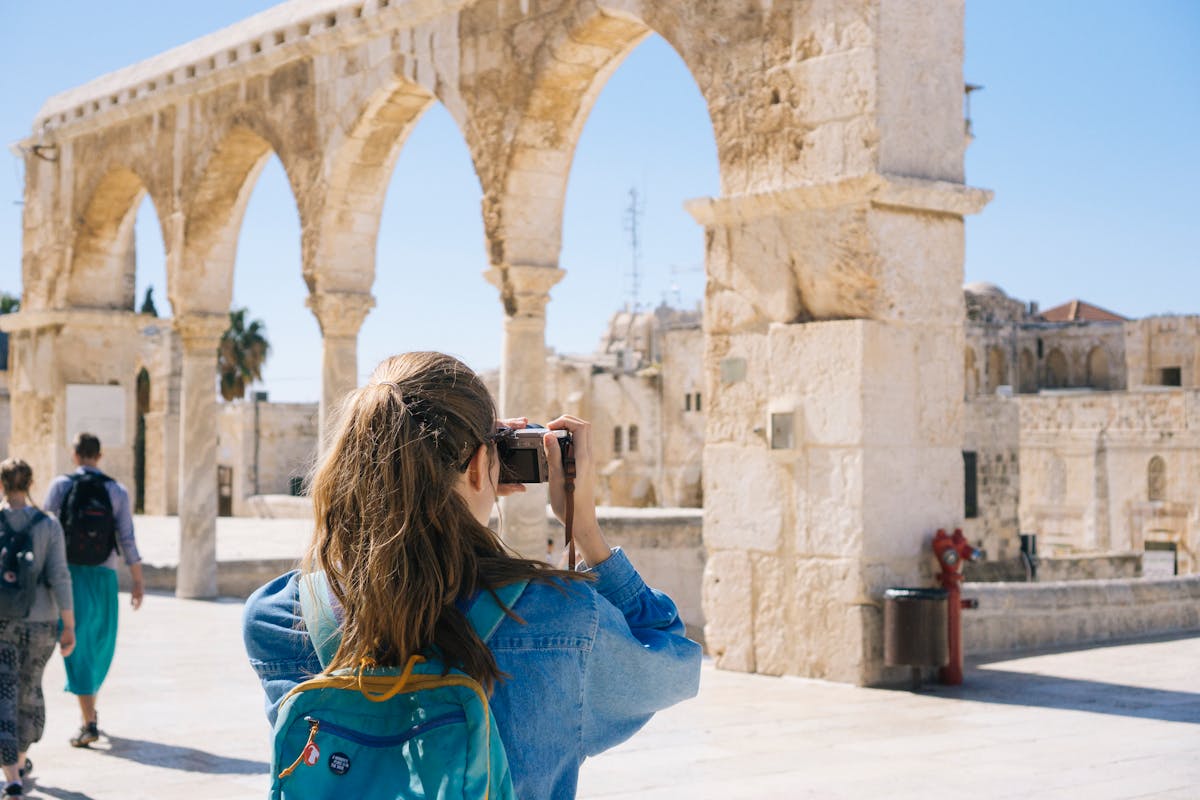
Travel photography is more than capturing picturesque landscapes or famous landmarks. It’s about immersing yourself in the cultural essence of a place and telling a story through images. Every destination has unique traditions, lifestyles, and aesthetics that shape its identity, and incorporating these elements into your photography allows you to go beyond tourist snapshots. By approaching travel photography with cultural perspectives, you can create images that not only showcase beauty but also honor the diversity of human experiences.
Focus on Daily Life
One of the most authentic ways to capture cultural perspectives is by photographing daily life. Instead of limiting your shots to iconic monuments, look for moments that reveal how people live. Street markets bustling with vendors, children playing in courtyards, or artisans working on traditional crafts all offer glimpses into the heart of a community. These everyday interactions highlight the rhythms of life that often go unnoticed yet reflect the soul of a destination.
To capture such scenes effectively, practice patience and observation. Spend time in one place, watch how people move and interact, and be ready with your camera when an authentic moment unfolds.
Explore Cultural Festivals and Events
Festivals and cultural events provide extraordinary opportunities for travel photography. Whether it’s Holi in India, Carnival in Brazil, or a local harvest celebration in a small village, festivals reveal traditions, costumes, rituals, and emotions in vibrant detail. These events offer rich storytelling opportunities that combine color, movement, and energy.
When photographing festivals, it’s important to respect cultural boundaries. Always ask permission before getting too close, especially during religious or sacred rituals. Capturing the essence of these celebrations not only documents the event but also conveys the cultural values and joy embedded within them.
Emphasize Architecture and Design
Architecture is one of the most enduring expressions of culture. From ancient temples to modern skyscrapers, the design and construction of buildings reflect history, belief systems, and artistic influences. When shooting architecture, pay attention to patterns, symmetry, and cultural motifs. For example, Islamic architecture often features intricate geometric designs, while Gothic cathedrals emphasize grandeur and verticality.
Experiment with different angles—shoot from below to highlight grandeur, or frame smaller details like carvings, windows, or mosaics that tell a deeper story. These details help convey not just what a building looks like but what it represents in the broader cultural context.
Capture Portraits with Sensitivity
Portrait photography is one of the most powerful ways to connect with a culture. Faces tell stories of resilience, joy, and heritage. Whether it’s a farmer in rural landscapes, a musician playing traditional instruments, or a child walking to school, portraits offer a personal glimpse into cultural identity.
When photographing people, approach with kindness and respect. Introduce yourself, learn a few words in the local language, and ask for permission before taking pictures. This not only builds trust but also often leads to more natural, genuine portraits.
Highlight Food as Cultural Expression
Food is a universal language of culture. Each dish carries stories of geography, history, and tradition. Travel photography that focuses on local cuisine adds flavor—literally and visually—to your storytelling. Capture vibrant street food stalls, families sharing meals, or the process of cooking traditional dishes.
Consider context in your shots. A steaming bowl of ramen in a small Japanese eatery tells a different story than the same dish served in a high-end restaurant. By capturing not just the food but also the atmosphere around it, you showcase food as both sustenance and cultural identity.
Tell Stories Through Landscapes
Landscapes are not just natural wonders; they often hold cultural meaning. Sacred mountains, pilgrimage routes, or farming terraces all reflect how people interact with their environment. Instead of focusing solely on aesthetics, ask yourself: What does this landscape mean to the local culture? How do people live in harmony with it?
For instance, rice terraces in Bali are not just visually stunning but also tied to spiritual and agricultural traditions. Capturing this connection between people and nature adds depth to your travel photography.
Incorporate Modern Cultural Expressions
Culture is not static; it evolves. Beyond traditional elements, modern expressions like street art, fashion trends, and urban culture also provide compelling photography subjects. Murals on city walls often reflect political views or community pride, while contemporary markets showcase the blend of tradition and globalization. By including both old and new cultural expressions, your photography presents a holistic view of a destination.
Add Playfulness to Your Journey
Travel photography doesn’t always have to be serious—it can also be fun. Sometimes playful moments capture cultural identity just as well as solemn ones. For example, during group trips or cultural festivals, activities like photo booth rental Las Vegas might pop up, blending modern entertainment with traditional gatherings. Capturing such moments highlights how cultures adapt and incorporate joy into their experiences, giving your photography a lighter, more relatable touch.
Practice Ethical Travel Photography
When photographing culture, ethical considerations are crucial. Avoid reinforcing stereotypes or treating people as objects of curiosity. Show dignity in your images, and represent people in ways that honor their humanity. Supporting local communities by buying handmade crafts, hiring local guides, or donating to cultural preservation initiatives also ensures that your photography journey contributes positively to the places you visit.
Conclusion
Travel photography becomes more meaningful when approached with cultural perspectives. Instead of limiting yourself to postcard-perfect images, focus on the everyday life, traditions, and evolving expressions that make each destination unique. Whether through portraits, food, festivals, or architecture, photography allows you to capture not just what a place looks like, but who its people are and what they value. By combining technical skill with cultural sensitivity, your images can tell stories that resonate deeply and stand the test of time.


